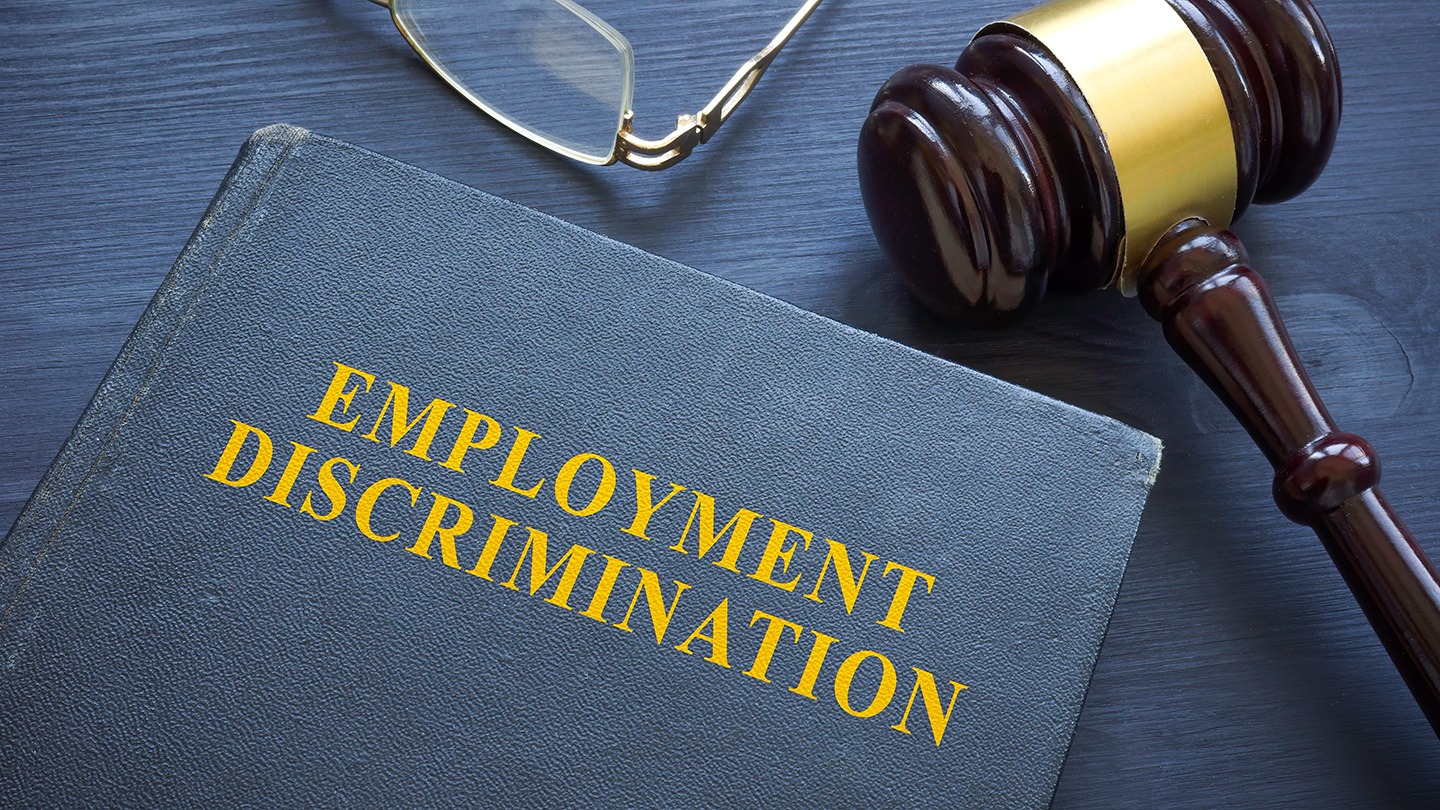

Discrimination claims can devastate morale and finances. Managers equipped with the right knowledge can foster an inclusive, legally compliant workplace.
What Constitutes Unlawful Discrimination?
- Protected Characteristics: Age, race, gender, disability, religion, sexual orientation, and more.
- Types: Direct (explicit bias), indirect (neutral policy with disparate impact), harassment, and victimization.
Recognizing Red Flags
- Unequal Treatment: Different performance standards for similar roles.
- Biased Language: Jokes or comments targeting a protected class.
- Disparate Impact: Policies that, while neutral, disproportionately affect a protected group.
Manager’s Responsibilities
- Policy Enforcement: Consistently apply anti-discrimination policies.
- Training & Awareness: Mandatory sessions for all staff on unconscious bias.
- Prompt Response: Address complaints within set timelines (e.g. 5 business days).
Investigating & Mitigating Risk
- Early Intervention: Tackle potential issues before they escalate.
- Reasonable Accommodations: For disabilities or religious observances.
- Record-Keeping: Document decisions and accommodations granted.
Cultivating an Inclusive Culture
- Diverse Hiring Panels: Reduces individual bias.
- Employee Resource Groups: Support networks for under-represented staff.
- Feedback Channels: Anonymous surveys to uncover hidden issues.
Conclusion & Call to Action
Preventing discrimination starts with informed leadership. For tailored training or policy audits, get in touch.